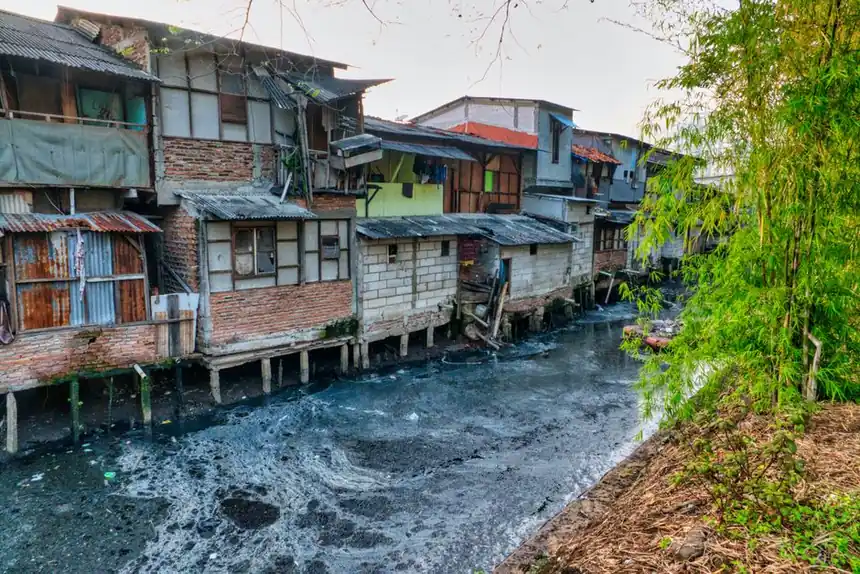
Sewage backup cleanup is crucial for restoring your home after a sewage incident. Proper cleanup ensures safety and prevents health risks associated with sewage exposure. This article outlines the steps to effectively clean up after a sewage backup in Boulder, CO, and when to seek professional help.
What is sewage backup cleanup?
Sewage backup cleanup is the process of removing and sanitizing areas affected by sewage overflow. It requires thorough cleaning to eliminate harmful pathogens and prevent further damage to your property.
Steps for sewage backup cleanup Boulder CO
Cleaning sewage backup in Boulder involves several critical steps to ensure safety and effectiveness:
- Assess the situation: Before starting, evaluate the extent of the sewage backup. Identify the source, whether it's a clogged drain, broken sewer line, or heavy rainfall causing flooding.
- Ensure safety: Wear protective gear, including gloves, masks, and boots. This is essential to protect yourself from harmful bacteria and chemicals.
- Shut off utilities: Turn off the main water supply and electricity in the affected area to prevent electrocution and further water damage.
- Remove standing water: Use a submersible pump or wet vacuum to remove standing water. If you need assistance, consider contacting Water Extraction Services Boulder CO to expedite the process.
- Clean and disinfect: After removing water, clean all surfaces with a mixture of water and detergent. Follow up by disinfecting with a solution containing bleach or a commercial disinfectant.
- Dry the area: Use fans and dehumidifiers to dry out the affected area completely. This step is crucial to prevent mold growth.
- Dispose of contaminated materials: Safely dispose of any materials that cannot be cleaned, such as carpets, insulation, or drywall that have been contaminated by sewage.
- Monitor for mold: After cleanup, regularly check for any signs of mold growth, especially in hidden or damp areas.
Following these steps ensures a thorough and safe sewage backup cleanup in Boulder.
Common mistakes during sewage cleanup
When cleaning up after a sewage backup, avoid these common mistakes:
- Neglecting safety precautions: Failing to wear protective gear can expose you to harmful pathogens.
- Inadequate drying: Not fully drying the area can lead to mold growth, which poses health risks.
- Using improper cleaning solutions: Household cleaners may not effectively eliminate sewage contaminants. Use appropriate disinfectants.
- Ignoring structural damage: Failing to assess and repair any structural damage can lead to further issues down the line.
When to call a professional
Sometimes, sewage cleanup can be overwhelming or beyond your capability. If you experience extensive damage or are unsure about the cleanup process, it's best to call professionals. Boulder Water Damage Pros specializes in Emergency Sewage Cleanup Boulder CO and can handle the situation safely and efficiently.
Frequently Asked Questions
What should I do if I have a sewage backup in Boulder? Immediately turn off your water supply and electricity, then assess the situation while ensuring your safety with protective gear.
How to safely clean up sewage in your home? Wear protective gear, remove standing water, clean and disinfect surfaces, and ensure the area is completely dry to prevent mold.
What are the risks of sewage backups in Boulder? Sewage backups can expose you to harmful bacteria, viruses, and pathogens, leading to serious health risks and property damage.
How long does sewage cleanup take? Depending on the extent of the damage, sewage cleanup can take anywhere from a few hours to several days.
Can I handle sewage cleanup myself? While minor backups may be manageable, significant sewage issues should be handled by professionals to ensure safety and thoroughness.